Dental Implants and Cosmetic Dentistry: A Perfect Match
@connerfjof576
October 28, 2026 · 15 min read
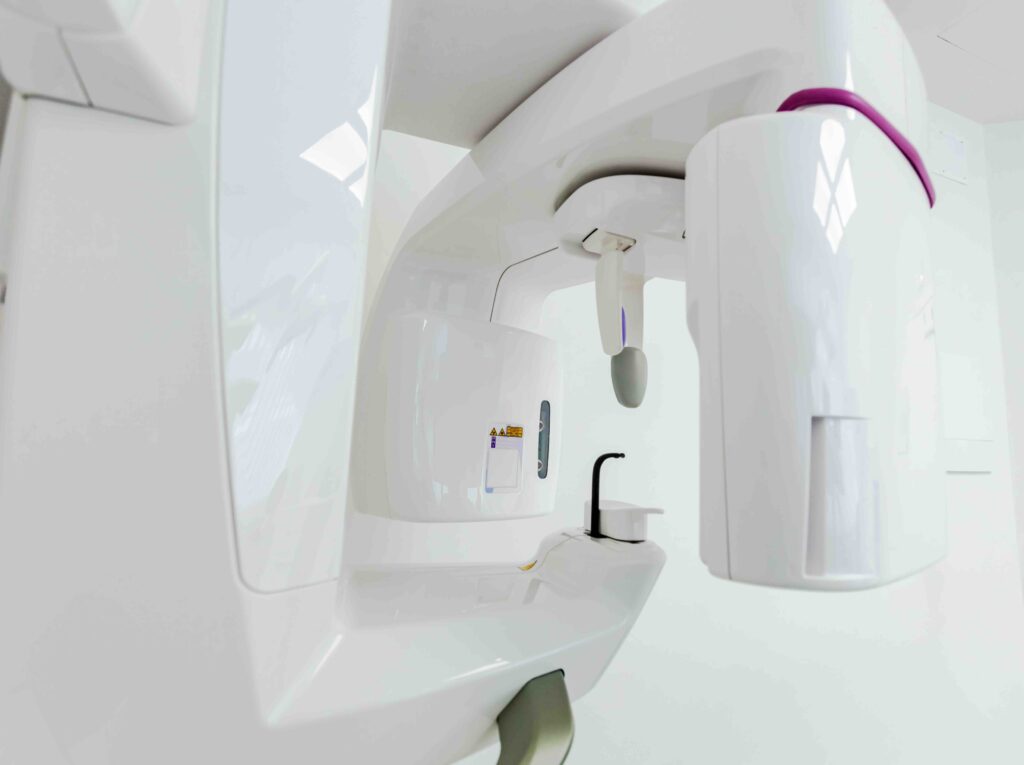

A healthy smile and an attractive smile are often treated as separate goals. In practice, they overlap more than patients expect. Someone may come in asking for whiter teeth or straighter front teeth, then discover that a missing molar has shifted the bite enough to compromise the entire plan. Another patient may want to replace a single lost tooth and assume that a Dental Implant is purely functional, only to learn that the implant will influence gum shape, smile symmetry, and facial balance.
That overlap is where implant dentistry and cosmetic dentistry work best together.
Dental implants are often described as the gold standard for replacing missing teeth because they address the root as well as the visible crown. Cosmetic dentistry, at its best, does more than brighten enamel. It restores proportion, harmony, and confidence. When these two disciplines are coordinated, the result can be more stable, more natural-looking, and more conservative than either approach used alone.
The key word is coordinated. A good outcome rarely comes from treating a missing tooth as an isolated problem. The surrounding teeth, gum line, lip position, bone levels, bite forces, and facial features all matter. In the front of the mouth, a millimeter can make the difference between a restoration that disappears into the smile and one that always looks slightly off, even if the patient cannot say why.
The missing piece is rarely just a tooth
Patients usually notice the gap first. Dentists notice the chain reaction.
When a tooth is lost, the bone that once supported its root begins to change. The gum tissue follows. Neighboring teeth can drift into the space. The opposing tooth may over-erupt. Chewing patterns shift. In some cases, the patient begins avoiding one side of the mouth without realizing it. Over time, those changes affect not only function but appearance.
This is one reason cosmetic work can become harder when missing teeth are left untreated for years. Veneers, whitening, and bonding may improve the visible teeth, but if the underlying spacing, bone support, or bite is unstable, the cosmetic result can be compromised from the start. It may still look better than before, but it will not be working with ideal conditions.
A Dental Implant changes that equation. Because it replaces the tooth root, it helps preserve bone volume in a way a traditional bridge or removable partial cannot fully replicate. That foundation matters for aesthetics. Full, healthy bone tends to support better gum contours, and gum contours are what make a smile look believable. Most people do not examine the shape of papillae or the scallop of a gingival margin in the mirror. They simply notice whether a smile looks natural.
Why implants matter so much in cosmetic cases
Cosmetic dentistry lives in the details. Shade matters, but shape matters just as much. So do line angles, translucency, surface texture, and the position of the gum around each tooth. Replacing a missing front tooth is not like replacing a tile. Natural teeth are not identical units. They interact with light differently, emerge from the gum in slightly different ways, and occupy a living frame that changes over time.
An implant-supported crown gives the restorative team a fixed platform from which to design that visible tooth. If the implant is placed correctly, in the right depth and angle, the final crown can be shaped to mirror the neighboring teeth with impressive precision. If the implant is placed too far facially, too deep, too shallow, or at the wrong angle, even a skilled cosmetic dentist and ceramist may be forced into compromises.
This is why experienced clinicians often say that implant placement in the aesthetic zone is a prosthetically driven procedure. The final smile should be envisioned first. The surgery is then planned backward from that destination. Digital scans, photographs, wax-ups, and surgical guides have made this process more predictable, but the technology is only as good as the judgment behind it.
A common real-world example involves the upper lateral incisor, a small tooth with a surprisingly large cosmetic footprint. Losing one of these teeth because of trauma, congenital absence, or failed endodontic treatment can be emotionally difficult, especially for younger adults. The replacement must blend with a central incisor on one side and a canine on the other, each with different widths, contours, and light dynamics. The implant position, the abutment selection, the tissue management, and the crown design all have to work together. When they do, people usually cannot tell which tooth was replaced. When they do not, the result can look flat, bulky, gray at the gum line, or slightly disconnected from the rest of the smile.
Cosmetic dentistry benefits from a stable foundation
There is a practical side to this partnership that often gets overlooked. Many cosmetic treatment plans are built around alignment, spacing, and proportional balance. A missing tooth disrupts all three.
Consider a patient who wants Invisalign and veneers but is missing a premolar from an extraction done years ago. If the space has narrowed or tilted, the cosmetic dentist may need orthodontic movement before implant placement. If the implant is placed too early, before the teeth are aligned, it can lock the case into a poor position because implants do not move with orthodontics the way natural teeth do. Sequence matters.
The same is true when a patient wants to widen a smile or correct asymmetry. An implant can anchor the architecture of the plan, but only if it is timed correctly. In some cases the implant comes first. In others, gum treatment, orthodontics, or provisional restorations should lead. The best outcomes often come from planning the smile as a whole rather than treating each tooth one by one.
This approach also protects healthy tooth structure. Years ago, patients missing a single tooth often ended up with a three-unit bridge, which required reshaping the two adjacent teeth to support it. If those teeth were untouched and strong, that was a real biological cost. A Dental Implant often avoids that preparation. From a cosmetic standpoint, that is valuable because natural enamel reflects light in ways no restorative material fully matches. Preserving neighboring teeth usually helps both function and aesthetics.
When the gum line becomes the real cosmetic challenge
People tend to focus on the crown, the white part they can see. Dentists worry just as much about the pink frame around it.
The most difficult cosmetic implant cases are often not about the implant itself but about the soft tissue. If gum recession, thin tissue, or bone loss is present, recreating a natural emergence profile can be challenging. This is especially true in the upper front teeth, where smile lines expose a lot of gingiva. A crown may be beautifully made, but if one gum margin sits a millimeter higher than its neighbor, the eye catches it immediately.
That is why tissue biotype, bone availability, and smile line analysis are so important during consultation. A patient with thick tissue and a low smile line usually has more margin for error than someone with a high smile line and thin, delicate gingiva. Neither situation is hopeless, but the treatment approach and the expectations must differ.
Sometimes that means soft tissue grafting. Sometimes it means bone grafting before or during implant placement. Sometimes it means choosing a bridge or another option when the anatomy makes a highly aesthetic implant result less predictable. Good cosmetic dentistry is not about pushing every patient toward the same treatment. It is about matching the treatment to the biology and the desired outcome.
The role of temporaries, which patients often underestimate
One of the most useful tools in cosmetic implant dentistry is the provisional restoration. Patients often think of a temporary tooth as a placeholder, something purely cosmetic to get through healing. In reality, a well-designed temporary can shape the gum tissue and guide the final result.
This matters because soft tissue is adaptable. The contours of a provisional crown can help sculpt the way the gum hugs the future restoration. In single-tooth implant cases, especially in the front, that shaping phase can be the difference between a result that looks round and generic and one that appears to emerge naturally from the tissue.
This process takes patience. A patient may feel ready for the final crown long before the tissue is truly stable. In straightforward posterior cases, that wait is less critical. In visible anterior cases, rushing the final restoration can lead to disappointment. Seasoned cosmetic dentists know when to hold the case a little longer to let the tissue mature.
Not every attractive smile needs implants, but many implant cases need cosmetic thinking
There is a temptation to divide dentistry into categories. Restorative is one lane, cosmetic another, surgery a third. Real patients do not fit neatly into those lanes.
Someone replacing a back molar may not care deeply about the look of the crown itself, but restoring that tooth may preserve the bite and protect the front teeth from wear, fractures, or migration. That is a cosmetic benefit by extension. On the other side, a person seeking a smile makeover may assume the goal is simply brighter, straighter front teeth, only to learn that replacing an old missing tooth is the first step toward a balanced result.
For patients with multiple missing teeth, the relationship becomes even clearer. Implant-supported bridges or full-arch prostheses can transform lower facial support, speech, smile width, and confidence. These cases are often discussed in terms of function, and function is certainly central, but the visual impact is profound. Restoring tooth display at rest, proper incisal edge position, and lip support can make a person look less tired, less sunken, and more like themselves.
That said, cosmetic judgment becomes more important, not less, as more teeth are replaced. Full-arch implant cases can go wrong aesthetically if the tooth proportions are too uniform, the smile arc is too flat, the pink prosthetic material is visible in a high smile, or the midline is skewed. The best results come from careful planning and repeated try-ins, not from simply securing teeth to implants and finishing quickly.
Where patients should slow down before saying yes
Implant dentistry is highly successful overall, but success has layers. An implant can integrate with bone and still disappoint aesthetically. A crown can look attractive on day one and become problematic if tissue recedes later. The work can be technically sound and still not match the patient's expectations if those expectations were never clearly defined.
Before beginning treatment, a patient should have a frank conversation about the likely cosmetic outcome, especially when the case involves the front teeth. This is not pessimism. It is good planning.
Here are a few signs that a case deserves extra discussion and possibly a more specialized team:
- The missing tooth is visible when you smile or talk.
- You have been missing the tooth for a long time and the gum or ridge has collapsed.
- Your smile shows a lot of gum.
- You have a history of gum disease, smoking, or clenching.
- You are also planning whitening, veneers, orthodontics, or other cosmetic work.
Each of those factors adds complexity. None automatically rules out a strong result, but each can affect timing, cost, and predictability.
Materials, shade, and the art of blending in
Patients are often surprised that matching a single implant crown can be harder than making several crowns. With multiple restorations, the ceramist controls more of the visual field. With a single implant crown, nature sets the standard on both sides.
Natural teeth are not a single color. They have body shade, incisal translucency, internal character, and surface anatomy that catches light differently depending on age and wear. Young enamel tends to be brighter and more translucent. Older teeth may be warmer, slightly flatter, and more textured from years of function. The implant crown has to fit into that existing landscape.
Abutment material can matter too. In thin tissue cases, a darker metal beneath the crown may influence the appearance of the gum line. Tooth-colored components may help in select aesthetic situations. There is no universal best material. The right choice depends on tissue thickness, bite force, implant position, and the optical needs of the case.
This is one reason whitening should be discussed early. If a patient plans to lighten the natural teeth, that should usually happen before the final implant crown is fabricated. Crowns do not bleach. If the order is reversed, the implant restoration can suddenly look too dark or too warm against newly whitened neighbors.
Timing is one of the biggest determinants of the final look
Patients naturally want things done as fast as possible, especially when a missing front tooth is involved. Speed matters, but sequence matters more.
Immediate implant placement, where the implant is placed at the time of extraction, can offer excellent results in the right case. It may reduce treatment time and help preserve tissue architecture. But it is not suitable for every patient or every socket. Infection, thin facial bone, unfavorable root position, and uncontrolled bite forces may make a staged approach wiser.
Likewise, immediate temporary crowns can be helpful for tissue support and patient comfort, but only when the implant has enough primary stability and the biting forces can be controlled. If those conditions are absent, pushing ahead for cosmetic convenience can increase the risk of failure or tissue loss.
Patients usually appreciate honesty here. Most would rather wait a few extra months for a result that blends beautifully and lasts than rush into a shortcut that looks acceptable at first and problematic later.
The maintenance piece that rarely gets enough attention
An implant is not vulnerable to decay, but that does not make it maintenance-free. The surrounding tissue can become inflamed. Bone loss can occur if plaque control is poor, if excess cement is trapped, if the bite is overloaded, or if periodontal risk factors are not addressed. A cosmetic result that looked excellent at delivery can deteriorate if hygiene and follow-up are neglected.
Dental Implants oaksdentistry.comThis is especially important for patients who invested in a broader smile makeover. Veneers, whitening, orthodontic retention, and implant restorations all benefit from a maintenance plan that is tailored, not generic. Night guards may be essential for clenchers. Hygiene visits may need to be more frequent for patients with a history of periodontal issues. Home care tools should match the prosthesis design.
A beautifully integrated implant crown is a long-term restoration, not a one-time purchase.
The best questions patients can ask before treatment starts
Credentials and technology matter, but the consultation often tells you more than the brochure. A thoughtful clinician should be able to explain not only what they recommend, but why, in the context of your smile and your priorities.
Useful questions include:
- How will this implant affect the appearance of my gums and neighboring teeth?
- Do I need grafting to improve the cosmetic result or the long-term support?
- Should any whitening or orthodontic treatment happen before the final crown?
- Will I wear a provisional, and how will it shape the final outcome?
- What are the realistic limitations in my specific case?
Those questions tend to move the conversation beyond price and into planning. That is where the best decisions are made.
When specialists collaborate, patients usually benefit
Some implant cases are comfortably managed by one experienced restorative dentist. Others benefit from a team that may include an oral surgeon, periodontist, orthodontist, and dental laboratory with strong cosmetic experience. This is not about making a case sound more complicated than it is. It is about matching the provider structure to the demands of the treatment.
In the front of the mouth, especially, laboratory communication can be decisive. Detailed photography, shade mapping, digital design, and provisional feedback all help the ceramist reproduce the subtleties of a natural tooth. A generic shade tab and a quick impression rarely produce the best aesthetic work.
The same is true for surgical-restorative collaboration. If the surgeon understands the restorative endpoint and the restorative dentist respects the biological limits of surgery, the patient is far more likely to receive a result that is both durable and attractive.
Why this pairing works so well
Dental implants and cosmetic dentistry are a perfect match because one provides the structure and the other refines the appearance. One without the other can leave value on the table. A stable implant that ignores smile design may function well but look artificial. A cosmetic plan that ignores missing roots and bite support may look good briefly but rest on weak foundations.
The most satisfying outcomes usually come from a broader view. Replace what is missing. Preserve what is healthy. Respect the biology. Design the visible result with care. Be honest about limitations when tissue, bone, or timing complicate the picture.
When that happens, a Dental Implant stops being just a replacement tooth. It becomes part of a smile that feels cohesive, functional, and convincingly natural. For patients, that often means more than restored chewing. It means smiling without calculating angles, laughing without covering the mouth, and forgetting, finally, which tooth was ever missing at all.
Oaks Dental
5000 Parkway Calabasas Suite 308
Calabasas, CA 91302, United States
+1 818-431-2000
FAQ About Dental Implants
What is the downside of a dental implant?
Implants require surgery and a healing period that can last several months. Possible complications include infection, nerve or sinus injury, damage to nearby teeth and failure to bond with bone. Your dentist should assess your health, bone support and alternatives before recommending treatment.
What do dental implants typically cost?
There is no single price for every implant case. The number of teeth replaced, implant components, final restoration and any grafting or extractions affect the total. Request a written estimate covering every stage and confirm insurance benefits and out-of-pocket costs with the practice.
How long do tooth implants last?
An implant can provide long-term support and may last a lifetime with good oral hygiene and regular dental care, but this is not guaranteed. The crown or other restoration may need replacement sooner. Smoking, gum disease and some health conditions can reduce implant success.