The Emotional Benefits of Dental Implants in Calabasas CA
@connerfjof576
September 29, 2026 · 15 min read
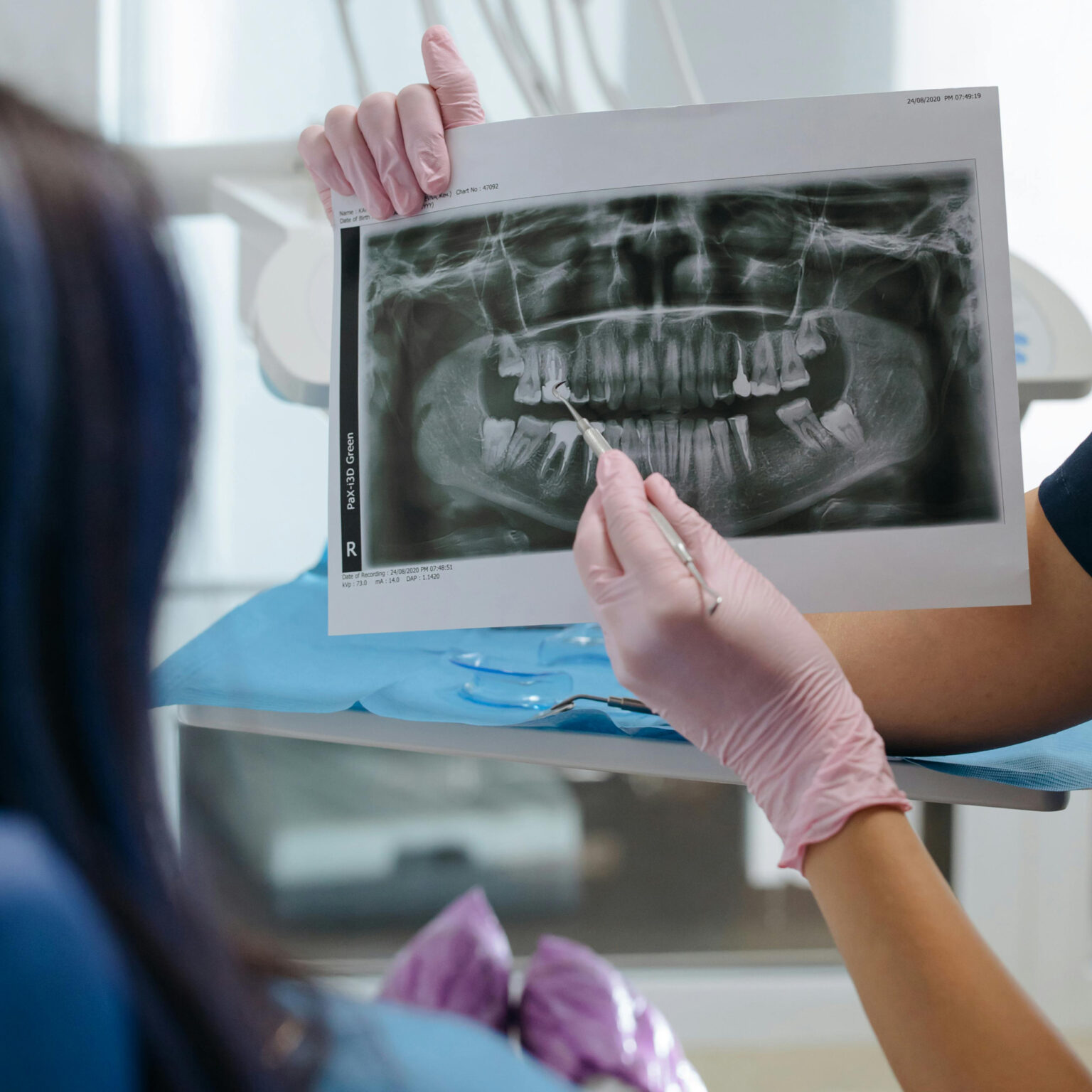
Losing a tooth changes more than a smile. It can alter the way a person eats, speaks, laughs, and carries themselves in a room. People often arrive at a dental implant consultation focused on the physical problem, a gap, a loose denture, trouble chewing on one side, but the emotional strain usually surfaces within a few minutes. They describe holding a hand over their mouth during photos. They admit they avoid steak, apples, or dinner parties. Some have grown so used to adapting that they no longer realize how much energy they spend managing a missing tooth.
That is why the conversation around dental implants should never be limited to bone levels, healing times, and titanium fixtures. Those details matter, but they are only part of the story. For many adults, especially those who have struggled for months or years with tooth loss, the deeper value of treatment lies in what it restores internally. Confidence, ease, dignity, and a sense of normalcy often return along with function.
In a community like Calabasas, where personal and professional interactions are constant and appearance can carry social weight, those emotional gains can be significant. People here lead busy lives. They attend meetings, social events, school activities, fitness classes, dinners, and family celebrations. When someone feels self-conscious about a missing tooth or unstable denture, it tends to affect far more than their dental health. The issue can quietly shape Oaks Dental Dental Implants Calabasas CA daily behavior in ways friends and even family never notice.
The hidden emotional cost of missing teeth
A missing tooth rarely stays in the category of “just cosmetic.” Even when the space is in the back of the mouth, patients often begin changing habits to compensate. They chew more carefully. They skip certain foods. They speak more deliberately if air escapes through the gap. If a front tooth is involved, the emotional burden can be immediate and intense.
One of the most common patterns is social withdrawal. Not dramatic isolation, necessarily, but small acts of avoidance. A person declines to be in pictures. They smile with lips closed. They turn their head while speaking. They laugh less freely. These adjustments can become second nature, yet they reflect ongoing self-monitoring. Constant self-monitoring is exhausting. It takes attention away from the moment and places it on perceived flaws.
There is also the issue of identity. Teeth are tied closely to how people recognize themselves. A missing tooth can make someone feel older than they are, less polished, or somehow less like themselves. That can be especially difficult after an accident, a failed root canal, advanced gum disease, or a tooth extraction that happened faster than the person was emotionally prepared for. The loss is physical, but it can also feel personal.
For patients who wear removable partials or full dentures, another layer enters the picture: insecurity about movement. A denture that shifts while talking or eating may create a steady background anxiety. Even well-made removable appliances can feel like something the patient has to manage rather than trust. Implant treatment often changes that relationship completely.
Why dental implants affect confidence so strongly
A dental implant replaces the root of a missing tooth and supports a crown, bridge, or denture in a way that feels much more anchored than a removable solution. The mechanical advantages are well known, but the emotional effects tend to come from one simple fact: stability changes behavior.
When people trust their teeth, they stop editing themselves.
That trust matters during ordinary moments. Ordering food in a restaurant without scanning the menu for “safe” choices can feel surprisingly liberating. Smiling during a conversation without calculating angles or lip position can shift a person’s whole presence. Speaking in a meeting without worrying about a denture click or a visible gap allows attention to return to the content of what is being said.
The change is often subtle at first. A spouse may notice more open laughter. A patient may realize they volunteered for a group photo without thinking. Someone who has worn down emotionally from long-term dental problems may not have expected that level of relief. Yet it is common. The mouth plays a central role in expression, and when expression no longer feels restricted, emotional ease follows.
This is one reason the phrase Dental Implants Calabasas CA resonates with many patients searching for treatment. They are not simply looking for a replacement tooth. They are looking for a return to comfort in their own skin.
The psychology of eating without fear
Meals are deeply social. They are also deeply emotional. Sharing food connects families, friends, and colleagues. When chewing becomes difficult or embarrassing, people can feel cut off from a basic form of participation.
Patients with missing molars often start favoring one side of the mouth. Over time, that can lead to jaw fatigue, frustration, and a narrowed diet. Those with unstable dentures may avoid foods that require pressure or tearing. Corn on the cob, crusty bread, nuts, salads, certain meats, and crisp fruits are common casualties. Even when a person can technically eat these foods, they may not feel relaxed enough to enjoy them.
That relaxation is important. Eating while anxious changes the entire experience. Instead of focusing on taste, company, or appetite, the person tracks movement, slippage, tenderness, or the possibility of food getting trapped in a visible area. It is hard to feel socially at ease when every bite demands strategy.
Implants can restore more than chewing efficiency. They can restore spontaneity around food. Patients often report that they had forgotten what it felt like to bite confidently into something firm. That first meal after the restorative phase, once healing is complete and the final restoration is in place, can be emotionally meaningful. It sounds simple, but being able to eat naturally again gives many people a strong sense of normal life returning.
Looking younger is not the only issue, looking familiar is
People sometimes dismiss the visual benefits of implants as vanity. That misses the point. Most adults are not chasing perfection. They want to look like themselves again.
Tooth loss can change facial support over time, especially when several teeth are missing or dentures no longer fit well. The lower face may appear more collapsed, lips can lose support, and the overall expression may look strained or aged. This is not merely a cosmetic inconvenience. When the face no longer reflects the person’s internal sense of self, confidence can suffer.
A well-planned implant restoration often helps reestablish natural contours. The effect is not just “younger.” More often, it is “healthier,” “more rested,” or “more like you.” Family members may not identify exactly what changed, but they often notice that the person seems brighter or more relaxed.
That emotional recognition matters. There is comfort in seeing a familiar face in the mirror. After tooth loss, many people feel a quiet disconnection from their appearance. Restoring that continuity can be deeply reassuring.
The relief of permanence
Temporary fixes have a way of keeping people emotionally on edge. A flipper, a removable partial, or an older denture can serve an important role, but many patients describe them as constant reminders of the problem. They have to be removed, cleaned, adjusted, or handled carefully. The routine itself can sustain self-consciousness.
Implants feel different because they are integrated into a long-term plan. That sense of permanence can bring real peace of mind. Even when treatment takes several months from placement to final crown, patients often feel encouraged by knowing there is a stable endpoint rather than another stopgap.
Of course, “permanent” does not mean maintenance-free. Implants still require excellent home care, regular professional monitoring, healthy gums, and thoughtful bite design. But emotionally, there is a major difference between maintaining something you trust and managing something you fear will fail at the wrong moment.
That distinction becomes especially important for people who have had a difficult dental history. Someone who has dealt with repeated fractures, removable appliances that never felt right, or years of patchwork dentistry often craves reliability as much as aesthetics. A secure implant can offer exactly that.
For many patients, the biggest change is not visible
One of the more interesting aspects of implant treatment is that the greatest emotional improvement may happen in private. A patient may not post about it. Friends may not know the procedure happened. Yet the internal change can be profound.
Patients often describe a drop in background stress. They no longer scan every reflective surface. They stop worrying before social events. They stop anticipating embarrassment. These are not dramatic moments, but together they can improve quality of life more than people expect.
There is also a form of restored competence that comes with being able to care for yourself normally. Brushing and flossing around a well-restored implant-supported crown can feel straightforward compared with the awkward routines some people develop around temporary appliances or unstable prosthetics. Small practical improvements often feed emotional recovery.
Here are a few emotional shifts people commonly report after successful implant treatment:
- Greater comfort smiling in photos and face-to-face conversations
- Less anxiety about eating in public or attending social meals
- Improved self-image after years of feeling older or less attractive
- Relief from the daily frustration of loose or unreliable dental appliances
- A stronger sense of normalcy in work, family, and romantic settings
These changes are personal, and they do not happen on exactly the same timeline for everyone. Still, they are common enough that they deserve to be part of any serious discussion about Dental Implants Calabasas CA.
The Calabasas factor: why setting and lifestyle matter
Emotional concerns around tooth loss can feel amplified in places where people are highly engaged in public life. Calabasas has a mix of professionals, entrepreneurs, parents, retirees, creatives, and health-conscious residents who often maintain active schedules and frequent social interaction. In that environment, dental discomfort or smile insecurity can have an outsized impact.
A person who regularly presents at work may feel every speech pattern change. Someone involved in local events or networking may become acutely aware of smiling and first impressions. Parents attending school activities or sports functions may notice they are hanging back in photos. Even highly confident people can find that a visible gap or unstable denture chips away at ease over time.
There is another local factor worth noting: many patients in Calabasas are interested in treatments that combine function, longevity, and natural appearance. They do not want a smile that looks artificial or overdone. They want dentistry that disappears into daily life and lets them forget about the problem. Implant therapy, when planned carefully, aligns well with that goal.
The emotional benefit of making a decision
Sometimes the hardest phase is not healing after surgery. It is the period before treatment begins, when a person has been living with the problem but has not yet committed to addressing it.
Delaying care often carries emotional weight. Patients may feel stuck between dissatisfaction and uncertainty. They worry about surgery, cost, healing time, or whether they are “making too much” of a missing tooth. In reality, unresolved dental issues have a way of expanding in the mind because they influence daily routines over and over again.
There is a noticeable sense of relief when a patient moves from vague worry to a concrete plan. Even before the implant is placed, many feel lighter simply because they have chosen a path forward. They know what the stages are. They know what the temporary period will involve. They understand the goal.
That emotional lift should not be underestimated. Clear planning reduces fear. Good consultations matter for exactly this reason.
What patients should weigh honestly before moving forward
Implants are not magic, and they are not the right answer for every person in every situation. Honest decision-making leads to better emotional outcomes than overselling the procedure.
Some patients need bone grafting before an implant can be placed. Others have medical conditions, smoking habits, uncontrolled gum disease, or bite issues that complicate treatment. Healing takes time. Front tooth cases can require especially careful cosmetic planning. Full-arch cases involve a different level of commitment than a single implant crown.
There is also the financial side. Implant treatment often costs more upfront than bridges or removable options. For many patients, the long-term value is worth it, but that does not erase the reality of budgeting. Emotional peace comes from understanding these trade-offs in advance, not from pretending they do not exist.
Questions worth discussing at a consultation include:
- Whether the bone and gum tissue support an implant now or need preparation first
- How long the treatment process is likely to take in this specific case
- What temporary solution will be used during healing, if any
- What maintenance will be needed after the final restoration is delivered
- How the implant compares with a bridge or removable replacement for this patient’s goals
Patients generally do better emotionally when the treatment team is direct. Optimism is helpful, but precision is better. A realistic picture builds trust and prevents disappointment.
Single tooth loss versus multiple teeth, different emotional patterns
Not all tooth loss feels the same. A single missing front tooth often creates immediate visibility concerns. The emotional stakes can be high because every smile, conversation, and photo feels exposed. In these cases, aesthetic planning becomes central, not only because the result needs to look natural, but because the patient may already be carrying months of social self-consciousness.
A missing back tooth can create a different pattern. The person may say it “doesn’t bother” them cosmetically, yet they report chewing limitations, jaw imbalance, or a sense that the mouth just does not feel right anymore. Their emotional benefit after treatment often shows up as relief rather than dramatic excitement. They simply stop thinking about the problem.
For patients missing several teeth, or for those struggling with an ill-fitting denture, the emotional impact can be broader. Speech, diet, comfort, and facial support may all be involved. In these cases, implants can transform not just appearance but daily functioning at a very fundamental level. It is not unusual for these patients to describe the treatment as life-changing, although the phrase should be used carefully and only when it truly fits their lived experience.
The role of trust in the treatment experience
The emotional outcome is shaped not only by the implant itself, but by how the patient is guided through the process. People are more resilient during treatment when they feel informed and respected. They need to know what discomfort is normal, how healing typically progresses, and when to call with concerns.
A rushed consultation can leave someone feeling like a case number. A thoughtful one gives them room to ask practical questions they may be embarrassed to bring up, such as whether they will be without a tooth temporarily, how speech might change during healing, or whether a spouse will notice a difference right away. These questions are not superficial. They speak directly to emotional security.
Clinicians who work regularly with implant patients understand that reassurance should be specific. It helps to explain the likely timeline, the appearance of temporary restorations, the sensation of healing tissues, and the way final restorations are adjusted for comfort and bite. Clarity lowers stress.
Emotional recovery after the final restoration
The day the final crown, bridge, or implant-supported denture is delivered is often satisfying, but emotional recovery does not always happen in one instant. Sometimes patients need a little time to trust the new restoration fully. If they have spent years protecting one side of the mouth or hiding their smile, those habits can linger.
This is normal. The brain learns caution after repeated discomfort or embarrassment. It may take several weeks of successful chewing, speaking, and smiling for confidence to feel automatic again.
Then, gradually, the restoration fades into the background of life, which is exactly what good dentistry should do. The patient stops checking, compensating, and worrying. They simply live.
That may be the most meaningful emotional benefit of all. Not the excitement of a dramatic reveal, but the quiet return of ease.
Why this investment often feels larger than dentistry
When people discuss the value of implants, they often focus on durability, jawbone preservation, and convenience. Those are valid points. Yet many patients who complete treatment would tell you the real return was psychological. They feel freer. They feel less distracted. They feel more present.
That matters at work, in marriage, on dates, at family dinners, during vacations, and in ordinary errands where confidence shapes behavior more than most people realize. Feeling comfortable with your mouth affects how you participate in life.
For anyone considering Dental Implants Calabasas CA, it is worth looking beyond the technical brochure version of treatment. Ask how your current dental problem affects your day. Notice whether you avoid certain foods, angles, conversations, or photos. Pay attention to the energy spent compensating. Those details reveal the emotional burden, and they often explain why the right restoration can feel so significant.
Dental implants do not solve every personal insecurity, and they should not be framed that way. But when a missing tooth or unstable appliance has been quietly shrinking someone’s world, restoring security and normal function can lift a very real emotional weight. Sometimes the most important result is not just a stronger bite or a better-looking smile. It is the feeling of being fully yourself again.
Oaks Dental
5000 Parkway Calabasas, Suite 308
Calabasas, CA 91302, United States
Phone: +1 (818) 412-8349
FAQ About Dental Implants Calabasas CA
How much does a dental implant cost in California?
Costs vary with the number of teeth replaced, restoration type, imaging, and any extractions or bone grafting. Request an itemized estimate after an examination; a single advertised price may not include every treatment stage.
Can people with autoimmune disease get dental implants?
Some people may qualify, but the condition, medications, oral health, and healing risks require individual assessment. Share your medical history with your dentist, who may coordinate with your treating physician.
Can you have dental implants if you have osteopenia?
Osteopenia does not by itself establish whether implants are suitable. Your dentist must evaluate jawbone support and review bone-related medications and other risks before recommending treatment.