The Pros and Cons of Invisalign Calabasas CA
@connerfjof576
November 24, 2026 · 15 min read
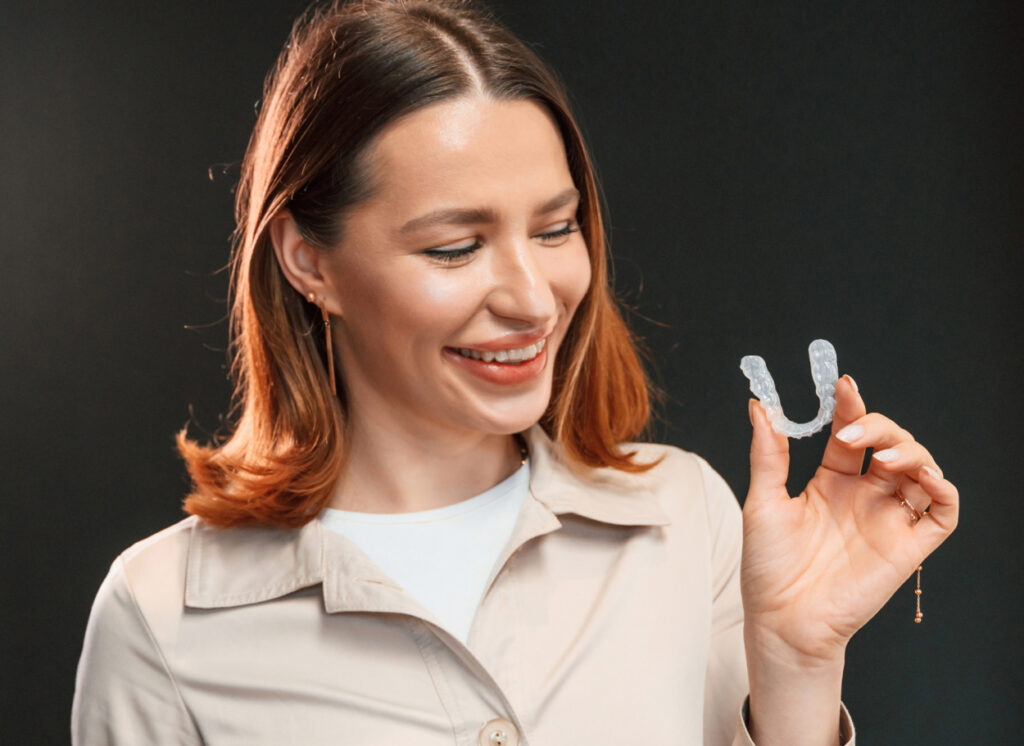
For adults and teens who want straighter teeth without the look of metal braces, Invisalign is often the first option that comes up. In a place like Calabasas, where people tend to value appearance, convenience, and flexibility, that makes sense. Clear aligners fit neatly into busy professional schedules, social calendars, school activities, and public-facing careers. They are discreet, removable, and in many cases highly effective.
That said, Invisalign is not automatically the better choice just because it is less visible. I have seen patients do beautifully with it, and I have also seen cases stall because the person wearing the trays underestimated the discipline involved. The best decision usually comes down to the details: the complexity of the bite, daily habits, cosmetic priorities, and how willing someone is to follow through every single day.
If you are weighing Invisalign Calabasas CA options, it helps to move past the marketing and look at the treatment the way a clinician would. What can it really fix? Where does it shine? Where are the compromises? Those are the questions that lead to better outcomes.
Why Invisalign appeals to so many adults and teens
The biggest advantage is obvious the moment you look at it. Invisalign trays are clear, subtle, and much less noticeable than brackets and wires. For a working professional who spends the day in meetings, on video calls, or speaking with clients, that matters. For a high school student Invisalign Calabasas CA who dreads the idea of a mouth full of metal in photos, it matters too.
But appearance is only part of the story. Removability changes the whole treatment experience. Patients can take aligners out to eat, brush, floss, and attend special events. That eliminates some of the daily annoyances associated with braces, especially food restrictions. Someone can enjoy popcorn at a movie, a crisp salad at lunch, or a steak dinner without worrying about breaking a bracket.
There is also a comfort factor. While Invisalign still creates pressure and movement, it usually does not involve the same kind of cheek irritation that metal braces can cause. Most people describe the sensation as tightness rather than sharp discomfort. The first couple of days with a new set of trays can be noticeable, but many patients adapt quickly.
For families in Calabasas balancing school, sports, work travel, and extracurriculars, this flexibility is often what tips the scale. Orthodontic treatment fits more easily into regular life when there are fewer food rules and fewer emergency visits for broken hardware.
The strongest advantages of Invisalign Calabasas CA patients often notice first
One of the reasons Invisalign continues to grow in popularity is that the benefits are practical, not just cosmetic. The treatment can solve real orthodontic issues while preserving a more normal routine.
Here are the advantages patients talk about most often:
- The aligners are discreet enough that many people barely notice them.
- They can be removed for meals, brushing, flossing, and short special occasions.
- There are no wires to tighten and no brackets to snap off during normal eating.
- Oral hygiene is generally easier than it is with traditional braces.
- Many mild to moderate alignment issues respond very well to clear aligner therapy.
That list sounds impressive, and in the right case it is. But every one of those benefits comes with a condition attached. The trays only work if they are worn enough. Oral hygiene is easier only if the patient actually keeps the aligners and teeth clean. Convenience can become inconsistency if discipline slips. That tension sits at the center of almost every Invisalign success or failure.
Where Invisalign performs especially well
Invisalign tends to perform best in cases involving mild to moderate crowding, spacing, minor bite discrepancies, relapse after previous orthodontic treatment, and cosmetic refinements. A very common scenario is the adult who had braces years ago, stopped wearing retainers, and now has shifting in the lower front teeth. These are often excellent Invisalign cases because the movement needed is controlled and limited.
Another strong use case is the patient whose main concern is appearance during treatment. I have seen professionals in law, real estate, healthcare, and media choose Invisalign because they interact with clients or appear on camera. They wanted correction without making orthodontic treatment part of their public image. For many of them, clear aligners provided a workable middle ground between aesthetics and function.
Teens can also do well with Invisalign, particularly if they are motivated and organized. Some teenage patients are meticulous. They wear the trays as directed, keep them clean, and switch aligners on schedule. Others lose them in napkins at lunch or leave them out during sleepovers. The treatment itself does not care how old the patient is. It responds to compliance.
It is also worth noting that Invisalign technology has improved over the years. With attachments, refined staging, and better digital planning, cases that once would have been directed almost immediately to braces can sometimes be treated successfully with aligners. Still, improved technology has not erased biology. Teeth move through bone in response to controlled force, and some movements remain easier and more predictable with fixed appliances.
The hidden discipline behind the clear plastic
This is where many people get surprised. Invisalign looks easy because it looks simple. Two clear trays, one for the upper arch and one for the lower, do not seem demanding. In reality, successful treatment usually requires wearing them about 20 to 22 hours per day. That leaves just a small window for meals, coffee breaks if you prefer not to drink with them in, and routine hygiene.
A patient might think, “I only take them out for breakfast, lunch, dinner, and a couple of snacks.” But add that up honestly, and wear time can drop fast. A slow breakfast becomes 40 minutes. Lunch at work turns into an hour. Dinner with family or friends stretches longer. A glass of wine after dinner becomes more time without trays. Suddenly, the aligners are in for 16 or 17 hours instead of 22, and the teeth stop tracking properly.
When trays do not track, the next aligner in the series fits poorly. Then you get delays, refinement scans, added months, and frustration. The system is precise, but it is not forgiving.
This is one of the biggest cons of Invisalign Calabasas CA patients should understand before they begin. In communities where people travel frequently, attend events, entertain clients, or maintain packed schedules, the removable nature of aligners can be either a major benefit or a constant temptation to leave them out too long.
The realities of eating, drinking, and everyday convenience
Removable aligners make eating easier, but they also make routines more complicated in ways people do not always expect. Every time you eat, the trays come out. Ideally, you brush before putting them back in. If you cannot brush, at minimum you should rinse well. That sounds manageable until you are out running errands, attending a school function, driving between appointments, or stuck in traffic with a coffee in hand.
Many patients start treatment assuming they will adapt effortlessly. Some do. Others realize they are habitual grazers, frequent coffee drinkers, or social snackers. That lifestyle does not pair smoothly with a system built around long daily wear time.
There is also the issue of staining and odor. If aligners are not cleaned properly, they can discolor or develop a smell. If someone drinks coffee, tea, or red wine with trays in regularly, the plastic may lose some of its discreet appearance. It may also expose the teeth to liquid trapped against the enamel longer than ideal. Different orthodontists have different comfort levels on beverages with aligners in, but very few recommend making it a oaksdentistry.com Invisalign Calabasas CA routine with anything sugary or strongly pigmented.
Then there is speech. Most people adjust within days, but a slight lisp or change in pronunciation can happen early on. For someone who gives presentations or speaks publicly, even a temporary speech adjustment can feel bigger than expected. Usually this improves quickly, but it is still worth mentioning because patients often focus so much on how Invisalign looks that they forget to ask how it feels and sounds.
Cost, value, and what people often misunderstand
Cost is one of the most common questions, and the honest answer is that pricing varies. It depends on the complexity of the case, the length of treatment, whether refinements are included, the provider’s experience, and the region. In Calabasas, fees may reflect local overhead, demand, and the level of customization in the treatment plan. Invisalign is not always more expensive than braces, but it is not always cheaper either.
The more useful question is whether it offers value for your specific case. If someone strongly prioritizes discretion and is likely to wear trays exactly as directed, Invisalign may be well worth the investment. If someone knows they are forgetful, snack often, travel unpredictably, or dislike structured routines, braces may actually be the better value because they remove compliance from the equation.
Insurance can also muddy the conversation. Some plans cover orthodontic treatment broadly, whether it is braces or Invisalign, while others may have limitations. Flexible spending and health savings accounts can help with timing and tax advantages, but they do not reduce the underlying fee. Patients are wise to ask for the total expected cost, what is included, and whether refinement aligners or replacement trays involve extra charges.
A lower quoted fee can sometimes look attractive until you realize it excludes common follow-up needs. A higher fee from a more experienced provider may include more comprehensive oversight, which matters if the case is not straightforward.
Not every smile is an ideal Invisalign case
This is where clinical judgment matters. Invisalign can accomplish a lot, but it is not the perfect solution for every bite problem. Certain tooth movements, especially significant rotations, major vertical changes, large bite corrections, or complex root positioning, may be less predictable with aligners alone. In some situations, the treatment is possible but likely to take longer or require more refinements. In others, braces or a hybrid approach may simply be more efficient and more reliable.
A patient with severe crowding, substantial jaw discrepancy, or teeth that need considerable torque control may do better with fixed appliances. Likewise, if someone has large restorations, missing teeth, periodontal concerns, or habits like clenching and grinding, the treatment plan needs careful review. Those factors do not automatically rule out Invisalign, but they can affect whether it is the best first choice.
One of the most useful conversations in a consultation is not “Can Invisalign work?” but “Is Invisalign the best tool for this result?” Those are different questions. Plenty of treatments are technically possible. Fewer are truly optimal.
I have seen patients push hard for clear aligners because they do not want braces under any circumstances. Sometimes that works out fine. Sometimes it leads to compromises they did not fully understand at the start, such as a longer timeline, attachments on visible teeth, elastics, or a second round of aligners. Clear aligners are not always as invisible or as effortless as people imagine.
Attachments, refinements, and the small print behind the smile
One of the least understood parts of Invisalign is attachments. These are small tooth-colored shapes bonded to certain teeth to help the aligners grip and direct movement. They are often subtle, but they are not invisible. On close view, especially in good lighting, they can be seen. Patients who choose Invisalign expecting a completely attachment-free cosmetic experience are often surprised.
Refinements are another area where expectations need adjustment. Many cases need them. After the initial series of trays, the orthodontist or dentist may rescan the teeth and order additional aligners to fine-tune the result. This does not necessarily mean treatment failed. It often means the biology of tooth movement required more adjustment than the digital plan predicted. Still, refinements can add months.
The polished before-and-after images people see online rarely show this middle phase, where one stubborn canine lags behind or a bite needs more settling. Real orthodontics is rarely as neat as the simulation.
How to tell whether you are likely to succeed with Invisalign
Before choosing clear aligners, it helps to be honest about habits. The ideal candidate is not just someone with the right teeth, but someone with the right routine.
A few signs usually point in the right direction:
- You are comfortable following a schedule without needing frequent reminders.
- You do not snack or sip sweet drinks throughout the day.
- You are willing to brush or rinse after meals before reinserting trays.
- You care enough about the result to accept short-term inconvenience.
- You want discreet treatment more than you want zero responsibility.
If several of those do not sound like you, that is not a personal failure. It may simply mean braces would fit your life better. There is nothing inherently superior about removable treatment if the removable part becomes the reason it struggles.
The local factor in Calabasas
When people search for Invisalign Calabasas CA, they are often not only choosing a product. They are choosing an office, a provider, and a treatment philosophy. That matters more than many realize.
Calabasas patients often want a polished experience, flexible scheduling, and treatment that aligns with demanding routines. Providers in the area may be very accustomed to working with professionals, performers, executives, and families who need efficiency. That can be a real advantage. A well-run office with strong digital workflows, clear instructions, and attentive follow-up can make treatment smoother.
But local convenience should not replace clinical fit. A nearby office with strong branding is not necessarily the same thing as a provider with the best experience for your case. Ask who will actually oversee the treatment. Ask how often progress is checked. Ask what happens if teeth stop tracking. Ask whether braces would be recommended if aesthetics were not part of the equation. The answers will tell you a lot.
A thoughtful provider will not oversell aligners. They will explain where Invisalign works well, where it may require compromise, and what your commitment needs to look like. If the consultation feels like a fashion pitch rather than a healthcare discussion, that is useful information too.
What patients tend to love after the adjustment period
When Invisalign goes well, patients often become strong advocates for it. They like seeing progress without a dramatic change to their appearance. They like being able to remove trays for important events. They appreciate brushing and flossing normally. Many feel treatment is less disruptive than they expected once they settle into the routine.
There is also a psychological benefit to gradual, discreet change. For adults who delayed orthodontic work for years because they did not want metal braces, Invisalign can lower the barrier enough that they finally move forward. That matters. Better alignment can improve not only aesthetics, but also cleaning access, wear patterns, and sometimes bite comfort.
For relapse cases in particular, Invisalign can be an elegant solution. Someone who had straight teeth as a teen and now notices crowding in their thirties or forties often responds very positively to a focused aligner plan. The treatment feels manageable because the problem feels specific.
Where disappointment usually starts
Disappointment usually begins with mismatched expectations. The patient expected invisible treatment, but attachments were visible. They expected freedom, but the trays demanded structure. They expected a short timeline, but refinements extended it. They expected the aligners to do the work on their own, but the outcome depended heavily on daily wear.
Another source of frustration is underestimating maintenance after treatment. Invisalign is not the end of retention. In fact, because many adults seek treatment after relapse, the lesson is already built into the case: teeth move when retainers are neglected. After active treatment, retainers remain essential. If someone is not prepared for that long-term responsibility, they may eventually lose part of the result they paid for.
This is why the real pros and cons of Invisalign are not limited to the trays themselves. They include behavior, expectations, and follow-through.
A practical way to think about the decision
The simplest way to judge Invisalign is to ask whether the treatment matches both your orthodontic needs and your daily habits. If the answer is yes, it can be an excellent option. If the answer is only half yes, it deserves more scrutiny.
For many Calabasas patients, the advantages are compelling enough to make the commitment worthwhile. Clear aligners can deliver attractive, predictable results in the right hands and for the right case. They fit modern lifestyles well, especially when appearance and flexibility matter.
Still, the drawbacks are real. Invisalign asks more of the patient than braces do. It can cost as much or more. It can require refinements. It is not ideal for every bite. And its greatest selling point, removability, is also the feature most likely to undermine treatment when used casually.
A good consultation should leave you with a clear-eyed view of both sides. That is the standard worth looking for when exploring Invisalign Calabasas CA providers. The best choice is not the one that sounds easiest. It is the one most likely to get you to a stable, healthy result without avoidable frustration along the way.
Oaks Dental
5000 Parkway Calabasas, Suite 308
Calabasas, CA 91302
(818) 643-6521
FAQ About Invisalign Calabasas CA
How many hours a day should I wear Invisalign?
Clear aligners are typically worn for 20 to 22 hours a day. Follow your dentist’s instructions for your specific treatment plan.
What age is best for Invisalign?
Many teens and adults can use clear aligners. A dentist can assess dental development, oral health, and the type of tooth movement needed.
What affects the cost of Invisalign in California?
Cost depends on the complexity and length of treatment and what the quoted plan includes. Ask for an itemized estimate and check any orthodontic coverage with your insurer.