The Step-by-Step Invisalign Process in Calabasas CA
@connerfjof576
November 24, 2026 · 15 min read

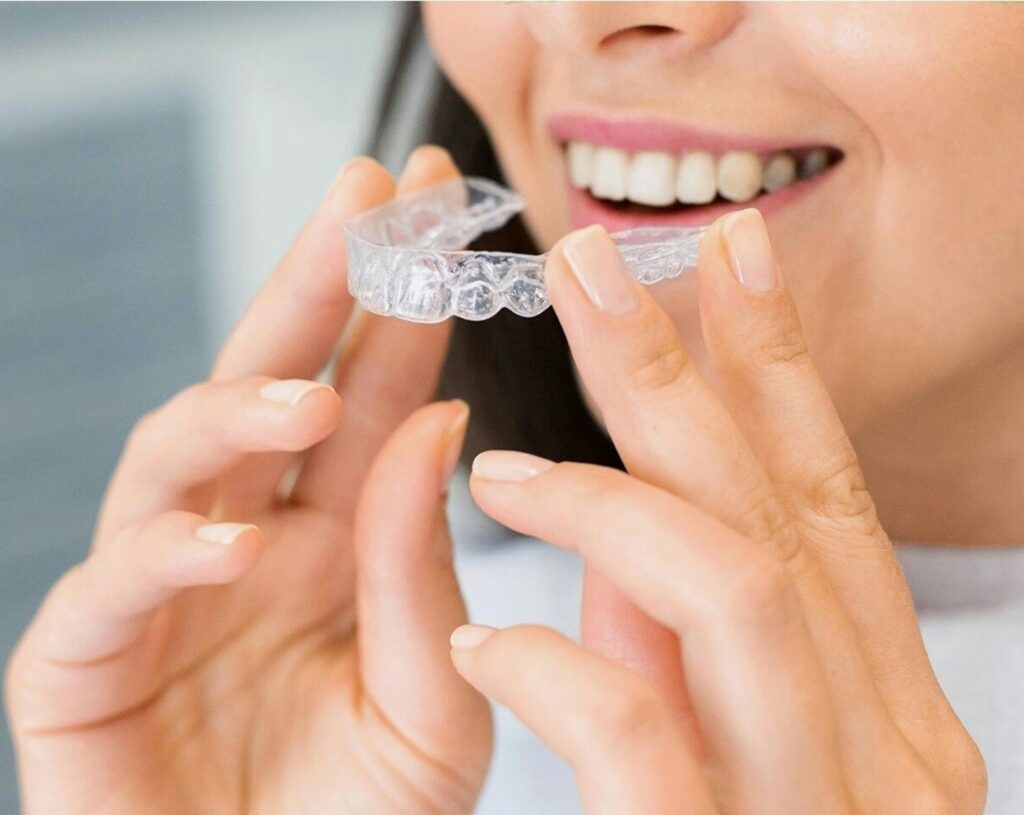
A straighter smile tends to look simple from the outside. You notice the aligned teeth at the end, maybe the confidence that comes with them, and it all seems clean and effortless. The reality is more nuanced. Invisalign treatment is a process of diagnosis, planning, compliance, adjustment, and follow-through. When it goes well, that is usually because the patient understood the sequence, knew what to expect, and had a provider who paid attention to the details that matter.
For patients researching Invisalign Calabasas CA, one of the most useful things to understand is not just whether clear aligners work, but how the process actually unfolds from the first appointment to the last retainer. Every stage affects the next. A strong scan leads to better planning. Better planning reduces mid-course surprises. Good wearing habits make the trays do what they were designed to do. Retainers protect the time and money already invested.
Calabasas patients often come in with a specific mix of priorities. They want discreet treatment, they have busy schedules, and many spend a lot of time in meetings, on camera, or in social settings where appearance matters. Clear aligners fit that lifestyle well, but only when expectations are realistic. Invisalign can be extremely effective for mild to moderate crowding, spacing, and bite refinement. Some complex cases still require attachments, elastics, longer treatment time, or in certain situations, traditional braces. The best consultations are the ones where a provider says both what Invisalign can do and where its limitations begin.
It starts with the right evaluation
The first appointment is not just a Invisalign Calabasas CA sales meeting, or at least it should not be. A proper Invisalign consultation in Calabasas CA usually begins with a detailed clinical exam. The provider looks at more than crooked front teeth. They assess your bite, tooth wear, gum health, jaw function, old dental work, and whether there is enough space to move teeth safely.
This matters because moving teeth is a biological process, not just a cosmetic one. If someone has untreated gum disease, active decay, a cracked crown, or recession in vulnerable areas, those issues often need attention before aligners begin. Teeth can only move predictably when the supporting bone and gums are healthy.
In many offices, this visit also includes digital photographs, X-rays when indicated, and a 3D scan of the teeth. The scan replaces the old-fashioned goopy impressions in most cases. Patients usually appreciate that part right away. The scanner creates a digital model that allows the provider to study the bite from multiple angles and build a treatment plan with precision.
A thoughtful consultation also includes discussion of habits and lifestyle. Someone who snacks all day, drinks coffee slowly over several hours, or tends to lose things may need a more practical conversation about whether aligners fit their routine. A college student, an executive, and a parent with small children can all succeed with Invisalign, but their obstacles are different. The plan should reflect real life, not an idealized version of it.
The digital scan and treatment design
Once records are taken, the provider uses the scan and clinical findings to map out tooth movement. This is one of the least visible parts of treatment to the patient, but it has a huge effect on results.
The software can simulate movement in stages, showing where the teeth are now and where they may end up. Patients often find this exciting. They see a future version of their smile and finally understand how spacing, overlap, or rotations might be corrected. Still, these simulations should be viewed as a planning tool, not a guarantee. Teeth are not computer graphics. They respond through bone remodeling and soft tissue adaptation, and biology does not always follow a perfect script.
This is also where experience matters. A good provider does not simply accept an automated setup because it looks nice on screen. They may adjust the plan to improve bite contact, reduce unnecessary expansion, control root position, or stage difficult movements more carefully. For example, rotating rounded teeth like canines and premolars can be stubborn. Intruding or extruding certain teeth may require attachments and more time. Closing spaces can look straightforward digitally, yet behave differently in the mouth if the patient is inconsistent with wear.
If you are pursuing Invisalign Calabasas CA because you want efficiency, this planning stage is where efficiency is earned. A rushed setup can create delays later. A refined setup often means fewer refinements at the end.
Reviewing the plan and setting expectations
When the treatment plan is ready, the next visit usually focuses on review and approval. This is where the patient should leave with a clear picture of what lies ahead.
Most providers discuss the estimated treatment time, which commonly ranges from several months to well over a year depending on complexity. A very mild cosmetic case may move quickly. Cases involving crowding, bite correction, or prior relapse after braces tend to take longer. If elastics are needed to help with bite relationships, the timeline may expand further. If attachments are required, the provider should explain why they are needed and where they will go.
Attachments deserve a quick reality check because patients are often surprised by them. These are small, tooth-colored composite shapes bonded to selected teeth. They help the aligners grip and direct movement more effectively. From a distance, they are usually subtle, but they are not invisible. In practice, most patients adjust to them within days. Speech can feel slightly different at first, and tray removal may take more effort, but that learning curve passes quickly.
Some patients also need interproximal reduction, often called IPR. This means removing a tiny amount of enamel between certain teeth to create space or improve fit. It sounds more dramatic than it usually is. The amount removed is typically very small, often fractions of a millimeter. When done appropriately, it can prevent more aggressive movement and help avoid flaring teeth outward.
This is a good time to ask detailed questions. How many hours per day do the aligners need to be worn? Invisalign Calabasas CA What happens if a tray feels too tight? Will whitening be better before or after treatment? Are there restorations that might need replacement after alignment changes the smile line? Patients who understand the process tend to do better because they are less likely to panic over normal milestones and more likely to catch genuine problems early.
The day treatment begins
When the aligners arrive, the first delivery appointment is usually more active than people expect. It is not just a matter of handing over trays in a box.
The provider checks the fit of the first aligners, bonds any attachments, places elastics if prescribed, and reviews insertion and removal. Many offices also check the edges of the trays and smooth any rough spots. A patient who has never worn aligners often needs a few tries to learn the removal technique without bending the trays or putting too much pressure on one side.
That first set often feels snug, and that is normal. Invisalign works by applying controlled pressure. Most patients describe the sensation as tightness or tenderness rather than sharp pain. The first two or three days can be the most noticeable, especially after switching to a new tray. Soft foods help. So does changing to a new aligner at night, which lets you sleep through several of the earliest adjustment hours.
The practical rules are straightforward, but they matter enough to repeat. Aligners generally need to be worn about 20 to 22 hours per day. They come out for eating, drinking anything other than water, brushing, and flossing. That means treatment rewards consistency. People who leave trays out during long lunches, coffee breaks, or evening social events often stretch a planned nine-month case into a much longer one.
A few early changes are routine. Saliva may increase for a day or two. Speech can have a faint lisp at first, especially with s and sh sounds. Lips and cheeks adapt. Nearly everyone improves quickly once they stop overthinking it.
The step-by-step treatment sequence
Most Invisalign cases follow a rhythm that becomes familiar after the first few weeks:
- Initial records are taken, including an exam, digital scan, and any necessary X-rays.
- The provider designs and refines the treatment plan, then reviews the projected movements and timeline with you.
- Aligners are delivered, attachments or elastics are added if needed, and you begin wearing each tray on the prescribed schedule.
- Progress is monitored through in-office visits, remote check-ins, or both, with adjustments made if teeth are not tracking as expected.
- After active tooth movement is complete, refinement trays or retainers are provided to stabilize the result.
Even this simple sequence has variables. Some offices schedule visits every six to ten weeks. Others use remote monitoring technology for selected patients, which can be useful for busy professionals or families trying to reduce unnecessary trips across town. Remote systems are convenient, but they should not replace a doctor’s judgment when something looks off. A photo taken at home can show that a tray is not seating fully, but it cannot always explain why.
Living with aligners day to day
The difference between a smooth Invisalign experience and a frustrating one usually comes down to daily habits. This is the part patients control most directly.
The trays need to stay clean. If aligners are put back in after meals without brushing, plaque and food debris remain trapped against the teeth. That can increase the risk of odor, staining, and cavities. At a minimum, rinse after removal and brush before reinsertion when possible. Many patients end up carrying a travel toothbrush because it saves trouble later.
Certain beverages also create problems. Coffee, tea, red wine, and dark sodas can stain trays. Sugary or acidic drinks sipped with aligners in place can be worse because the liquid sits against the enamel. If someone tells me they only drink iced coffee through the morning, that is often the first habit we talk about. With Invisalign, leisurely drinking patterns matter more than people expect.
There is also the issue of tracking, which means whether the teeth are moving closely enough to match the trays. If an aligner is not seating fully around one tooth, you may see a small gap between the edge of the tray and the tooth surface. Sometimes chewies, those small soft cylinders patients bite on, help seat the tray better. Sometimes the problem is inconsistent wear. Sometimes the tooth needs more time. And sometimes the case needs an in-office correction. Catching that early can prevent several trays from going off course.
Patients occasionally ask whether aligners are easier than braces. In some ways, yes. Oral hygiene is usually simpler, diet is more flexible, and there are no brackets or wires rubbing the cheeks. In another sense, aligners demand more self-discipline. Braces work all day because they are fixed. Invisalign only works when it is in your mouth. That trade-off is worth it for many adults and teens, but it should be acknowledged.
What follow-up visits are really checking
A follow-up appointment is not just a quick glance to say everything looks fine. The provider is evaluating several things at once. Are the trays fitting correctly? Are the attachments intact? Are the bite contacts developing as planned? Is there any sign of gum irritation, enamel issues, or movement that should be slowed down or redirected?
One common example involves stubborn rotations. A tooth may look close to ideal to the patient, but if it is lagging even slightly at tray five, the provider may already know that tray nine or ten will struggle. That is why periodic checks matter. Small problems are easier to correct than large ones.
Another issue is attachment loss. Attachments can come off, especially on teeth that see heavy biting forces. Some patients do not notice right away. Depending on the stage of treatment, a missing attachment may or may not affect progress, but it should be evaluated promptly. Similarly, if elastics are part of the plan, their wear has to be consistent enough to matter. An aligner can move individual teeth well, but correcting a bite relationship often depends on forces that need to be used exactly as prescribed.
For patients in Calabasas with demanding schedules, missed follow-ups are one of the most preventable causes of delay. A calendar can fill up fast. Travel happens. School schedules shift. But a six-week delay in a problem visit can easily lead to months of extension if the trays stop tracking and the case has to be rescanned.
Refinements are common, not a failure
One of the most misunderstood parts of Invisalign treatment is the refinement stage. Patients sometimes hear the original timeline and assume the last tray in the first series is the finish line. Often it is not.
Refinements are additional aligners created after a new scan if certain teeth need more movement or if the bite needs final balancing. This is very common. It does not mean something went wrong. It usually means the provider is being precise.
Teeth that are supposed to rotate, extrude, or close spaces can respond differently than expected even in highly compliant patients. Biology varies. The best way to think about the first series is that it gets you most of the way, then the provider fine-tunes from there. Some patients need only a handful of refinement trays. Others need a longer second phase. The exact number depends on how the teeth responded, how consistent the wear was, and how exacting the finishing goals are.
This is also the point where cosmetic expectations and functional goals need to stay aligned. A patient may focus on one slightly uneven edge in the mirror, while the provider is balancing front-to-back contacts so the bite settles properly. Ideally, both are addressed. If shape or edge symmetry is part of the concern, minor enamel reshaping or cosmetic polishing may help after tooth movement is complete.
The retainer phase is not optional
Once the active aligners are done, retention begins. This is not the exciting part, but it is one of the most important. Teeth have a natural tendency to drift after orthodontic movement, especially in the first several months. Without retainers, relapse can happen surprisingly fast.
Most patients receive clear retainers that look similar to Invisalign trays, though they are designed for long-term retention rather than active movement. The typical recommendation is full-time wear for a period set by the provider, followed by nighttime wear. Specific instructions vary by case, age, bite pattern, and risk of relapse. Lower front teeth, in particular, are notorious for crowding again over time if retention is inconsistent.
A simple retainer routine prevents expensive frustration. Keep them clean. Store them in a case, not in a napkin at a restaurant. Replace them when they crack or lose fit. If a retainer suddenly feels tight after time off, that is usually a sign the teeth have already begun shifting.
For many people, the most frustrating Invisalign stories start after treatment, not during it. They stop wearing retainers regularly, the teeth move, and then they need a correction plan that could have been avoided. Retention is the long game.
Questions worth asking before you commit
Before starting treatment, patients benefit from asking a short set of practical questions:
- How complex is my case, and is Invisalign the best option for it?
- Will I likely need attachments, elastics, or interproximal reduction?
- How often will progress be checked, and what happens if trays stop tracking?
- What is included if refinements are needed?
- What type of retainer will I wear at the end, and how often should it be replaced?
Those questions do more than clarify logistics. They reveal how carefully the office approaches treatment. Vague answers tend to predict vague management later.
Why local experience matters in Calabasas
Choosing a provider is not only about the brand name of the aligner system. It is about diagnosis, planning, and follow-through. In a place like Calabasas, where patients often have high aesthetic expectations and compressed schedules, details matter even more. You want a team that can manage the digital side efficiently, but also notice the clinical subtleties that software alone cannot handle.
That includes understanding how existing veneers or crowns may affect movement, how a narrow arch should or should not be expanded, and when a patient who initially wanted invisible treatment might actually be better served by another orthodontic option. Good care is not about selling one method to everyone. It is about matching the method to the mouth in front of you.
For anyone comparing Invisalign Calabasas CA providers, ask to see how the office handles the full arc of treatment, not just the first scan. What is their process if a tray does not fit? How do they monitor compliance in teen patients? How often do they rescan when tracking slips? Do they discuss retention with the same seriousness as alignment? Those are the questions that separate a polished consultation from a dependable treatment experience.
A well-executed Invisalign case feels orderly because each step supports the next. The evaluation identifies the right candidate. The digital plan maps realistic movement. Delivery sets the patient up for success. Monitoring keeps the biology aligned with the plan. Refinements polish the result. Retainers protect it. When patients understand that sequence from the start, they tend to move through treatment with fewer surprises and better outcomes.
Oaks Dental
5000 Parkway Calabasas, Suite 308
Calabasas, CA 91302
(818) 643-6521
FAQ About Invisalign Calabasas CA
How many hours a day should I wear Invisalign?
Clear aligners are typically worn for 20 to 22 hours a day. Follow your dentist’s instructions for your specific treatment plan.
What age is best for Invisalign?
Many teens and adults can use clear aligners. A dentist can assess dental development, oral health, and the type of tooth movement needed.
What affects the cost of Invisalign in California?
Cost depends on the complexity and length of treatment and what the quoted plan includes. Ask for an itemized estimate and check any orthodontic coverage with your insurer.